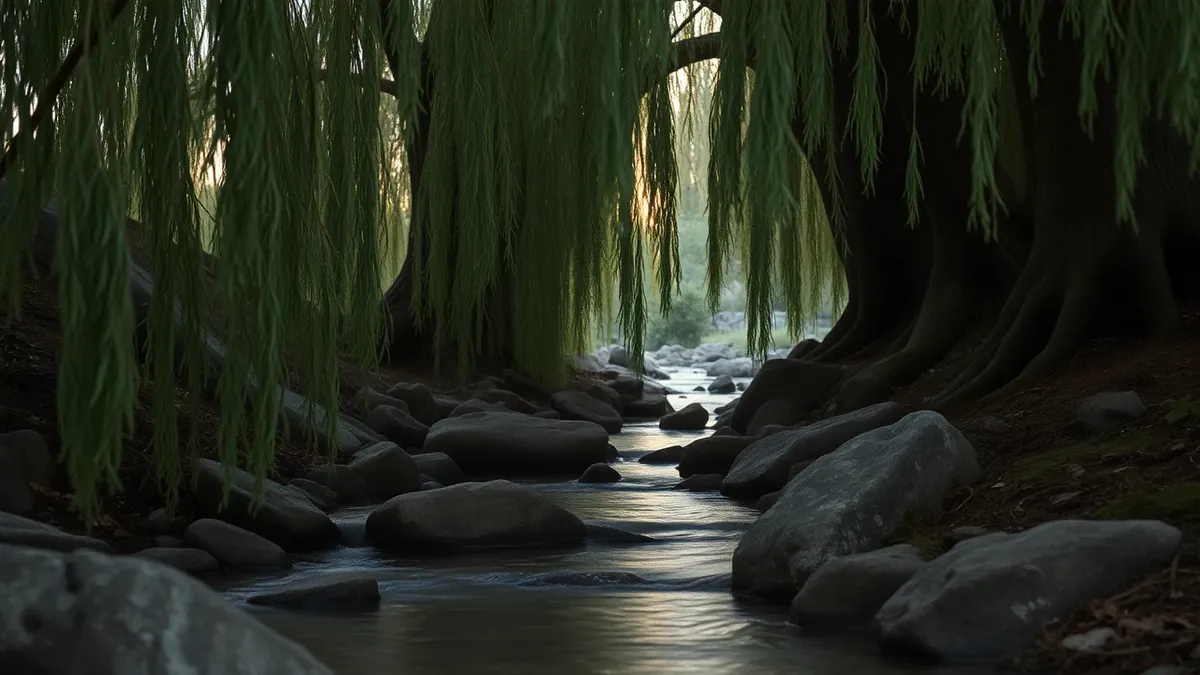
Where willows clothe their ranging limbs
with long green lace and nymphs along
a splatter brook behind strong rocks and
hidden among eroded boulders play just
out of sight, skip weather worn pebbles
toward an eventuality of salted sea –
their wanton giggles sparkle through thin
air – the wood is half asleep, its darker
center already wrapped snug in dreams.
There, there, there would I dare sleep
among dear but now forgotten elves, where
storied goblins and rough gnomes once
made their homes beneath a random log
whose lichen blaze with diamonds wrought
of dew, where fairies gorged on laughter
light my wandering where no path was made
before. No sin. Figs keep their leaves;
apples flower like the roses they were
that never knew of thorn. But, as prophet
Adam did, a woman would I crave. A fool
is never more a fool than when alone.
A child knows. That tree has withered
since once upon a time; it begins to die
the moment its first child first climbed
among branches gnarled like the walls
of catacombs, as cooling as a Nile bank.
Its naked root becomes a snare to catch
an ankle unaware, to reach in where magic
lips and soothing words can never touch,
to hold in place what otherwise might run
endlessly uncaring toward bright ending
day, all night, until another new morn
light. The brook is dry, its source now
sand, its fairies broken twigs misshapen
lay solemn silent beside a grub’s delight
(the feast of beetle, worm, and pus where
nothing lives but that it lives off death).
A child knows. Long after monstrous foes
have been dispatched with flaring sword
from closet, under bed, and night’s woes
are revealed to be but fleeting dreams;
longer after prayers become a fetid whip
that comfort not, become dreary drones,
drones that end the droning day to day;
when heaven, too, becomes a childish
fantasy. A child knows. He has become
a man. He does not cry. His tears once
shed have found their place amid dung
hills and trash bins behind new built
alike a row of sheds whose faces have
no doors, nor windows into souls. A man
must know he stands alone. His tree but
what was once and now a stump, a some
half dead hollowed out, where rabbits
hide or thrushes nest or dangers rest.
A man cannot let the child go out where
dangers rest. A man knows this. He knows
venom from the snake, the woman’s kiss,
the sour apple, knows that willows weep.
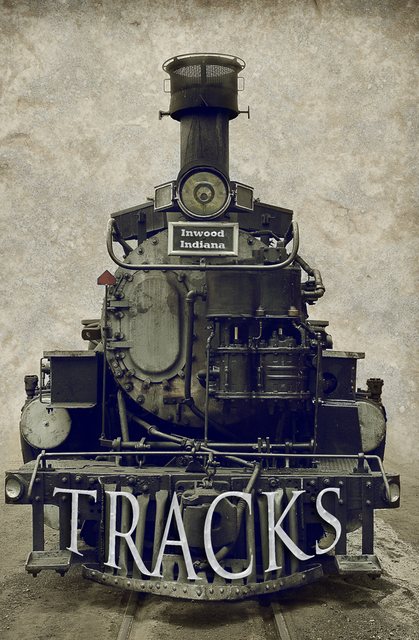
“Blushing Garden” was printed in Tracks, No. 9 of Inwood Indiana. Pick up the paperback from Prolific Press; the stories and poems published online are free to read here.
Get the paperback